

How Is a Hologram Made? The Technology Bringing 3D Illusions into Museums
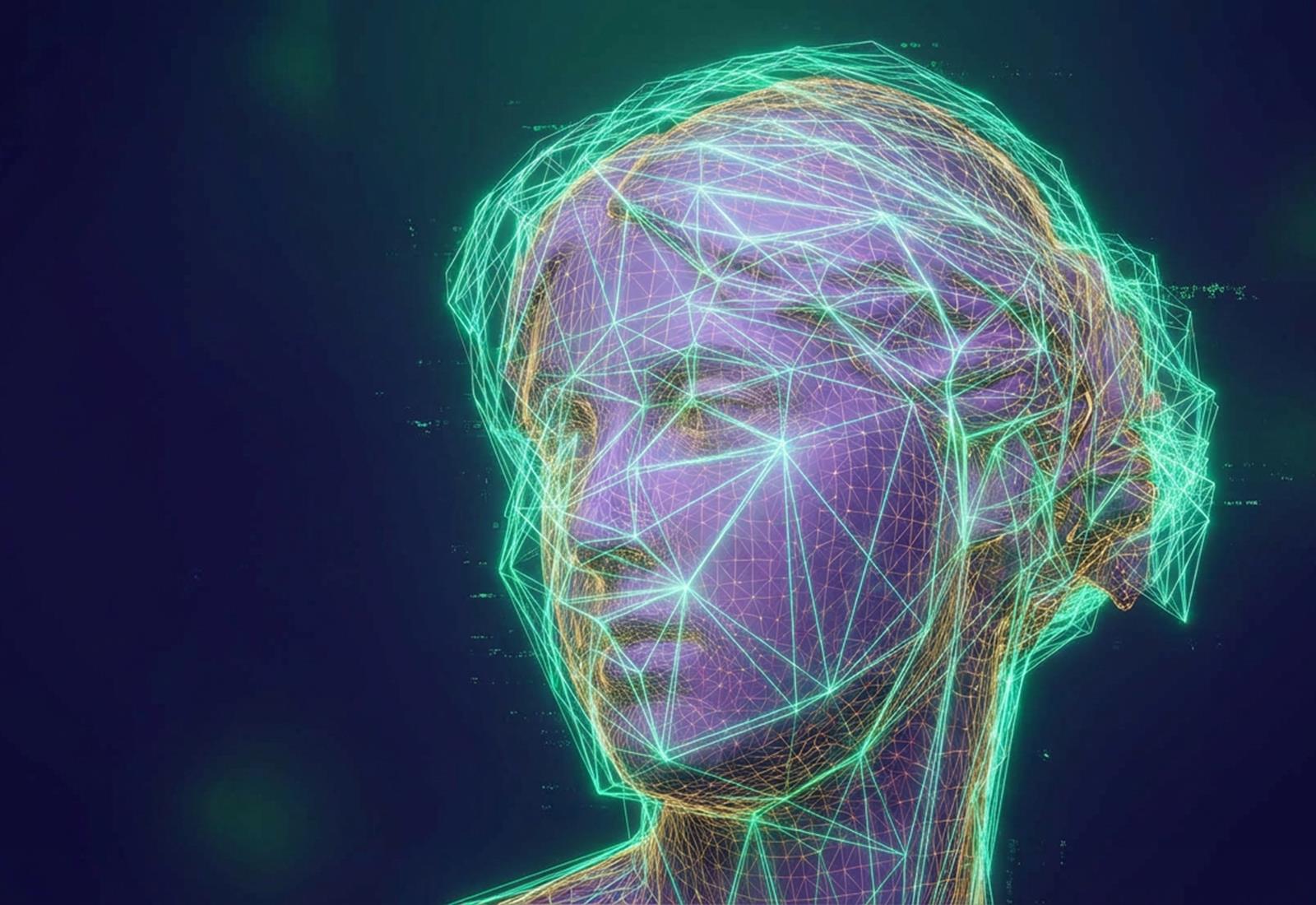
What is a hologram?
A hologram is a three-dimensional image that creates the illusion of a real object or person in space, using light projection, reflection, and specialized technologies. In museums and multimedia installations, several main types are most commonly used: Pepper’s Ghost, a technique that uses reflection on glass or film to create “ghosts” or floating figures; 3D holographic displays, including hologram pyramids, where an image is projected inside acrylic or glass housings with a visible depth effect; and LED hologram “fans”, rotating LED systems that draw moving images in the air, visible from multiple angles. All of these methods share the same goal—to capture visitors’ attention and deliver a striking, unforgettable experience without the need for glasses or VR devices.
Types of holograms
Pepper’s Ghost
Pepper’s Ghost is one of the oldest holographic techniques, developed back in the 19th century. It uses glass panels or transparent film to reflect a projected image, creating the impression that a figure is “floating” in space. In modern museums, this technique can bring historical figures to life, reconstruct events, or create powerful visual effects alongside real exhibits. For example, in some European castles, visitors can watch the “ghost” of a knight telling stories about medieval life, or see historical figures—such as kings and scientists—“standing” among authentic displays. The technology is used with professional holographic films for high image quality, or with holo mesh as a more affordable but less precise option.
3D holographic displays (hologram pyramids)
These systems use glass or acrylic housings to create a three-dimensional display of smaller objects, delivering a depth effect without the need for glasses. Museums often use them to present small archaeological finds and sensitive items such as jewelry, fossils, or historical tools that would otherwise need to be kept in closed, protected cases. For instance, at the Rijksmuseum in Amsterdam, hologram pyramids display replicas of delicate artifacts, allowing visitors to view them from all angles without the risk of damage. This technology can also be used to show complex processes—for example, how certain objects were made, or what they looked like in their original condition before being damaged.
LED hologram “fans”
This modern technology uses rotating LED strips that spin at high speed to draw images in the air, creating floating visuals that visitors can see from multiple angles. In museum exhibitions, it enables dynamic displays such as animated reconstructions of historical buildings, floating models of underwater archaeological sites, or interactive visualizations of how an object evolved over time. For example, within the European CEMEC project (Connecting Early Medieval European Collections), holographic display cases were used to present virtual reconstructions of medieval artifacts, allowing visitors to see how these objects looked in their original form and context.
How does illusion bring history back to life?
The use of holographic and related technologies in museums allows visitors to experience exhibitions in a completely new way. Instead of a classic display-case presentation, holograms introduce an element of magic, movement, and surprise, increasing engagement, extending time spent in the museum, and leaving a stronger emotional impact. Innovations like these help museums stay relevant in the digital age, attract new generations of audiences, and open the door to more creative interpretations of heritage.