

Virtual Museums: How Technology Creates New Forms of Cultural Experience
What are virtual museums?
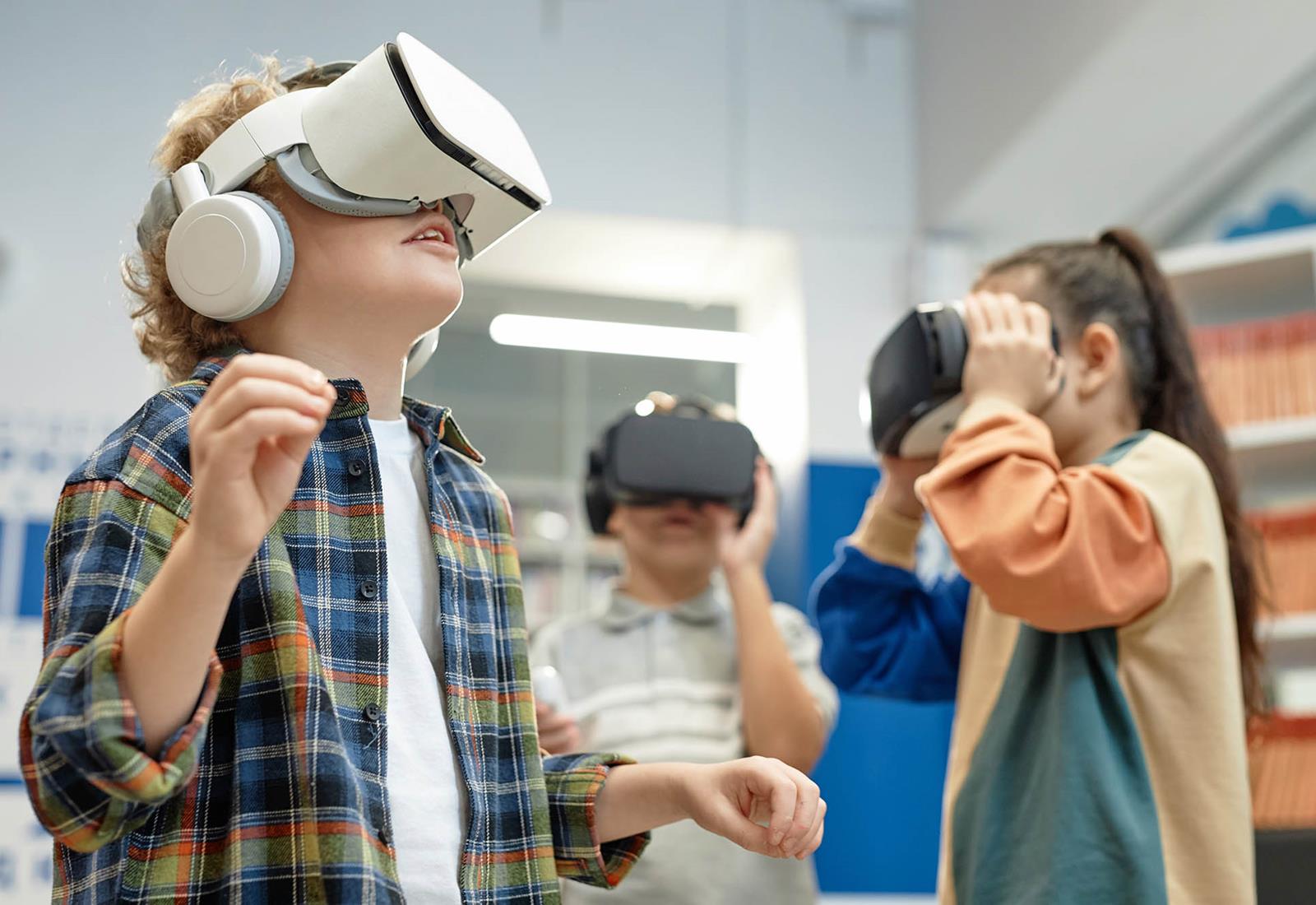
Virtual museums are collections or exhibitions that exist exclusively in a digital environment, accessible online or through virtual reality (VR) platforms. Unlike traditional museums with physical spaces, virtual museums allow audiences to explore artworks, historical objects, or archaeological sites from the comfort of their own homes—often using VR headsets, or even standard web browsers. In recent years, these museums have seen strong growth because they open access to a wide audience, including those who cannot visit museum institutions in person due to geographic distance, physical limitations, or financial reasons.
How does the technology work?
One pioneering example of a virtual museum is the Kremer Museum, a private collection of 17th-century Dutch and Flemish masters that exists exclusively in virtual reality. Visitors using VR equipment such as the HTC Vive or Oculus Rift can literally “walk” through carefully designed 3D galleries and view 74 artworks in high resolution. The technical implementation relies on game engine technology, enabling realistic rendering of the space, dynamic lighting that mirrors real-museum conditions, and sound effects that create a sense of ambience. High-quality digital scans of the paintings allow users to move closer to the artworks, examine details, and follow audio guides or read informational descriptions—almost as if they were standing in front of the actual canvas. Additionally, in 2024, a web version of the Kremer Museum was launched, enabling browser-based tours through a standard web browser, making the content even more accessible.
Examples from around the world and Croatia
Beyond the Kremer Museum, many other museums offer virtual walkthroughs of their permanent exhibitions. The British Museum, the Louvre, and the Rijksmuseum have developed online platforms that let visitors explore galleries in 360° panoramas, with the option to click on artifacts to view additional information or multimedia stories. These experiences often use photogrammetry and 3D laser scanning to digitize spaces and objects with precision, then integrate them into interactive online interfaces. In Croatia, notable examples include the Virtual Zagorje House in Donja Voća, which uses holographic projections and 3D technology to bring everyday life from the last century to life; and the educational hiking trail “Paths of Orchids” on Strahinjčica, which offers visitors a virtual walk through the natural environment and introduces rare orchid species. The multimedia center BioSfera Biograd, located in a renovated old school building in Biograd na Moru, provides interactive presentations of six protected areas—including Kornati National Park—using virtual reality, video projections, and other multimedia content.
Technical implementation
Virtual museums require careful technical execution. First, detailed 3D models of spaces and objects are created using technologies such as photogrammetry, 3D scanning, and high-resolution texturing. These models are then integrated into VR applications using specialized platforms like Unity or Unreal Engine, which enable realistic rendering of light, shadow, and movement. Audiovisual layers—such as narration, sound effects, and music—are added to create a fully immersive experience.
How to experience a museum without going?
Virtual museums are changing how we experience culture, enabling global access to collections without physical boundaries. They don’t just increase accessibility and inclusion—they also open the door to new forms of interpretation and audience engagement. Through VR and online platforms, museums can reach audiences who might never have the opportunity to visit in person, expanding their cultural impact and ensuring long-term relevance in the digital age.