Euskararen Etxea: A Technologically Innovative Language Museum
What is Euskararen Etxea?
Euskararen Etxea, known as the House of the Basque Language, located in Bilbao, Spain, is the winner of the prestigious Council of Europe Museum Prize for 2025. This unique cultural center is dedicated to preserving and promoting the Basque language—one of Europe’s oldest languages—through innovative multimedia approaches. Instead of classic display cases, the museum is built around a layered, interactive experience that allows visitors to hear, see, and even participate in the language in a completely new way.
Technology solutions for a layered experience
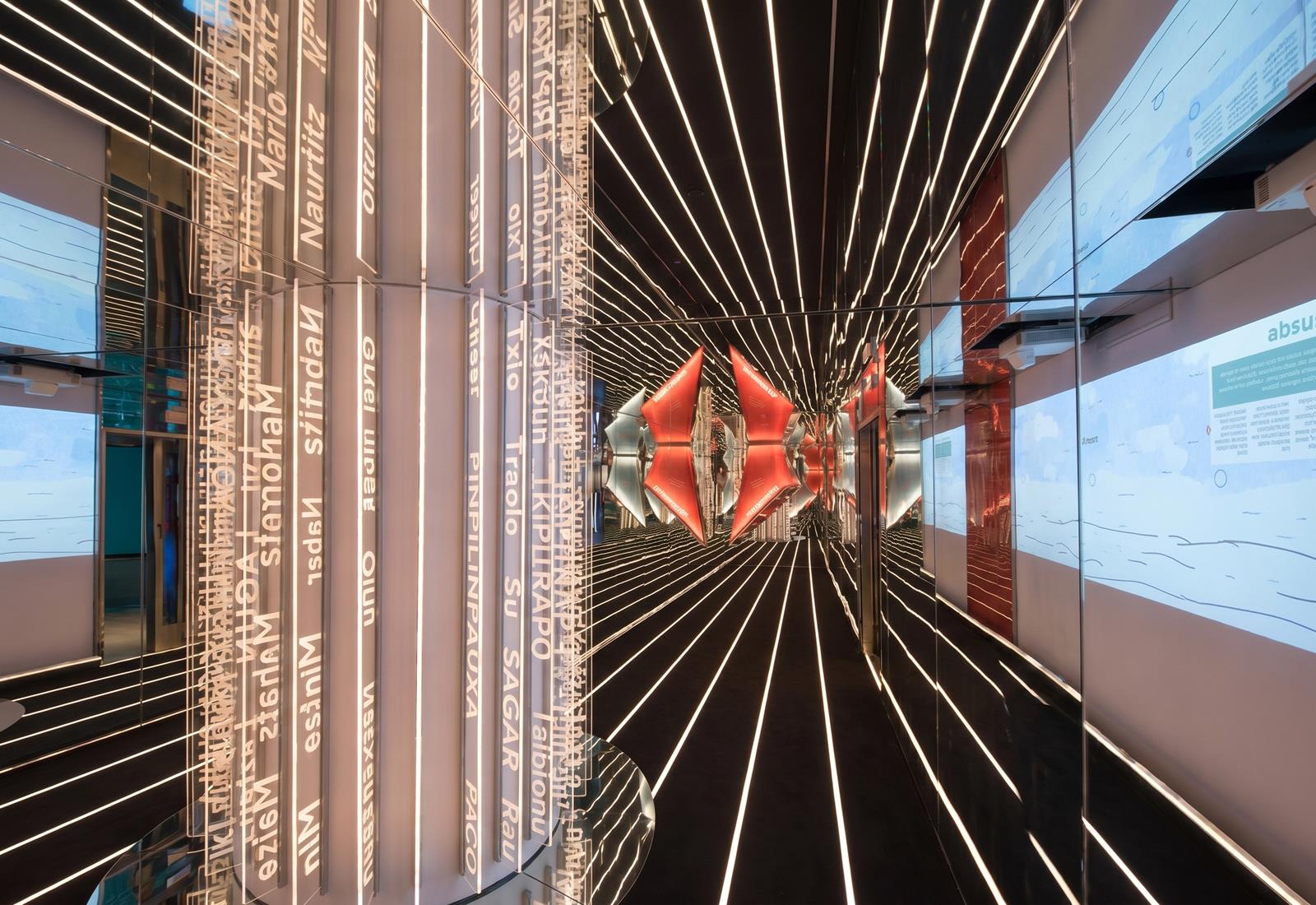
The Euskararen Etxea space is designed so that every corner contributes to language learning through technology. Visitors can, for example, sit in an audio booth and listen to people from different parts of the Basque Country speaking Euskara, with a synchronized transcription displayed on a digital screen in multiple languages. A large interactive wall with a touchscreen allows visitors to explore Europe’s language tree: by selecting a Basque word, they can see links and influences across Spanish, French, and other languages—supported by engaging animations and visualizations that clearly highlight linguistic connections.
Multimedia as the key to learning and fun
The museum features interactive kiosks with touchscreen displays where visitors can play language games such as puzzles or quizzes. There are also so-called sound pillars that precisely direct audio only to the person standing beneath them, enabling multiple different audio tracks in the same room without interfering with one another. A particularly engaging area is a small studio chapel equipped with a microphone and karaoke software, where visitors can try singing traditional Basque songs—especially popular with school groups.
Smart technical delivery with limited resources
Although Euskararen Etxea has only three permanent staff members, the museum team has made exceptionally smart technology choices. Instead of expensive exhibits, they use rugged tablets in protective enclosures, connected to a central system that enables the game “Touch a word – hear the pronunciation”. Many multimedia presentations were developed using open-source software, maximizing impact within a limited budget. Digital content is continuously expanded in collaboration with linguists from the University of Bilbao, who help add new stories and linguistic data to the archive available on the info kiosks.
Four-language accessibility and wider connections
One of the key features of Euskararen Etxea is its four-language accessibility: all content is available in Basque, Spanish, English, and French. This not only improves access for local and international visitors, but also highlights the connection between Basque linguistic heritage and the broader European context. The museum uses interactive maps, projected displays, and games so every generation can take part equally—from children learning their first words to adults interested in language history.
How does a small museum preserve a great language?
Euskararen Etxea is a model of a sustainable, engaged museum that achieves huge cultural reach with limited resources. Through smart technology integration and collaboration with the local community, it proves that even smaller spaces can become centers for safeguarding and promoting intangible heritage. At a time when more and more museums are looking for ways to stay relevant and interactive, Euskararen Etxea shows that innovation isn’t always about size or budget—it’s about intelligently connecting technology, content, and audiences.