

Museum Trends 2026: What Awaits Us in the Future?
1. Digital museums that erase the boundaries of space
Digital museums, like teamLab Borderless in Tokyo, are changing the very definition of a museum. We’re no longer talking about rooms with clearly separated exhibits and information panels. Instead, the entire space becomes an immersive digital experience that uses algorithms, generative visuals, and motion sensors to adapt to each visitor in real time.
For museum professionals, this raises a new question: how do you design a space that lives with its audience, not just for its audience? At teamLab, artworks aren’t static—they’re interactive: butterflies that “fly” from one room to another, light waterfalls that split as a visitor approaches, flowers that bloom beneath your feet.
For curators, this means working with teams of technologists, developers, and designers to create multisensory experiences that require an entirely new form of curating—it’s no longer enough to place an object in a display case; now you have to design how that object will communicate, grow, and change before the visitor’s eyes.
2. Virtual museums accessible from anywhere in the world
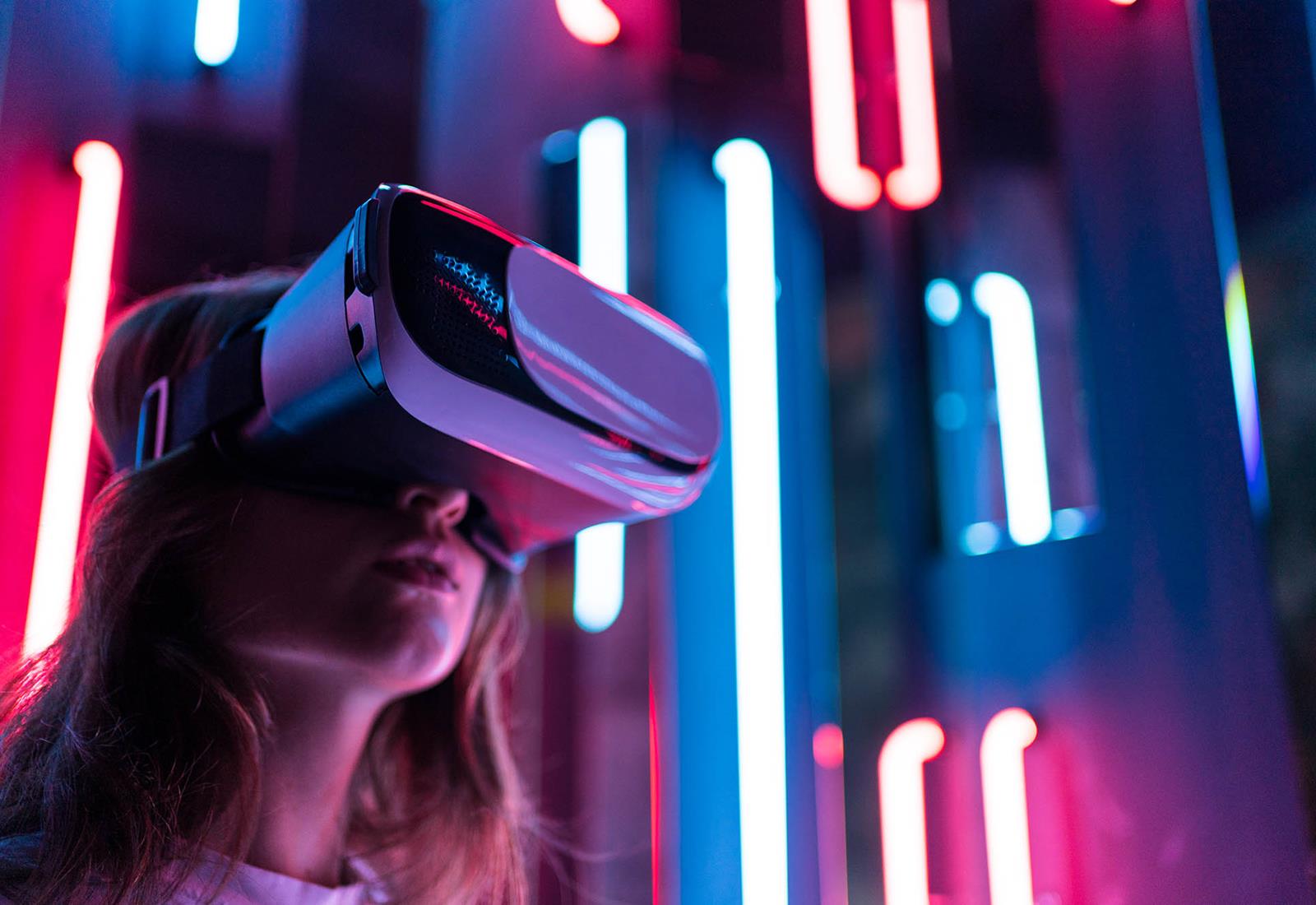
Virtual museums, like the Kremer Museum, are redefining access to cultural heritage. Instead of an exhibition depending on physical space, virtual reality (VR) and online platforms allow audiences to access collections from anywhere in the world, at any time.
For museum professionals, this means you’re no longer working only with audiences in the gallery—you’re also working with audiences online. That requires adapting language, format, and narrative: how do you convey the atmosphere of a museum through a screen, how do you design digital guides, how do you spark interaction and emotional connection through VR or a web platform?
For example, the Louvre VR tour “Mona Lisa: Beyond the Glass” isn’t just a 3D view of the painting—it’s an experience that includes animations, sound effects, and interpretive layers that bring Leonardo’s work closer in a completely new way. For museums, this opens huge opportunities for international visibility, but also raises new questions around copyright, digital preservation, and monetization strategy.
3. How museums use artificial intelligence for a personalized experience
Artificial intelligence (AI) gives museums the ability to become intelligent conversation partners—not just static providers of information. AI chatbots can answer visitor questions in real time, simultaneous translation breaks down language barriers, and personalized recommendations help each guest get the most out of a visit—based on what interests them most.
For professionals, this means a need to understand data and audience behavior: what information do visitors look for, which languages do they use, what captures their attention, how do they want to communicate? Projects like “Dalí Lives”, where the artist literally “comes to life” through deepfake technology, show how AI can deepen an emotional connection with audiences. But they also raise questions: How do we protect authenticity? AI in the curator’s toolkit: new tools for better interpretation? How do we balance automation with the human touch?
4. Museum games and escape room experiences for visitors
Gamification in museums has become a key engagement strategy, especially for younger audiences. But this isn’t just about entertainment. Through games, quizzes, treasure hunts, and escape room challenges, museums encourage visitors to engage more deeply, explore actively, and remember content better.
For museum teams, that means working in interdisciplinary groups of curators, educators, and developers to design games that are not only fun, but also educationally relevant. For example, an AR (augmented reality) app can help visitors “discover” hidden details on exhibits, while quizzes connect galleries into a single story. The key question for professionals: How do we make sure games don’t trivialize the content, but enrich it? How do we measure their impact on learning and engagement?
5. Holograms in museums: How 3D illusions bring the past to life
Holographic technologies (such as Pepper’s Ghost or LED hologram fans) allow museums to present historical figures, lost objects, or key moments from history in a completely new way. Instead of looking at a static exhibit, you see it “move,” speak, breathe.
For museum professionals, this is a huge opportunity for innovative interpretation, but also a challenge: How do you create convincing content? How do you balance spectacle with accuracy and authenticity? Examples such as hologram display cases at the Rijksmuseum, which show fragile objects from every angle, demonstrate how this technology can help preserve originals while delivering a richer experience for audiences. Professionals also consider sustainable solutions: how to ensure easy system maintenance, optimal costs, and long-term technical reliability—something modern technologies increasingly support.
6. UX/UI design: How interfaces guide museum stories
User experience (UX) and user interface (UI) design is becoming increasingly essential for museums that want their digital tools—from interactive screens and kiosks to mobile apps and online platforms—to be intuitive, visually engaging, and accessible to everyone.
For museum teams, this doesn’t necessarily mean diving into technical depths—it primarily means asking the right questions: How will a visitor feel while using our digital tools? Will they find their way easily, understand the content, experience the story? Those questions are answered through good UX/UI design, which takes into account factors such as touchscreen element size, color contrast, language options, and accessibility features.
An approach that combines clear vision, audience understanding, and collaboration with UX/UI specialists enables museums to create a consistent, recognizable experience—both in physical spaces and online. This doesn’t just build technological progress; it builds a connection between audiences and museum stories, ultimately strengthening cultural and social impact.
7. Immersive technology and projections that transform museum walls
3D projection mapping and multisensory projections, like those seen at Veliki Tabor or Paris’s Atelier des Lumières, allow museums to turn their walls into living canvases that tell stories. Instead of simply looking at an object behind glass, visitors step into its world, feel the atmosphere, and experience the story with all their senses.
For museum teams, this isn’t just another technical novelty—it’s a completely new form of storytelling that blends visual, spatial, sound, and emotional elements into a single experience. The key to success isn’t only technical precision in mapping and synchronizing light, sound, and animation, but creating content with meaning and depth—not just a wow effect.
These projects encourage collaboration between curators and designers, animators, and technicians, while also raising important questions: how to update content regularly, how to tailor experiences to different visitor profiles, how to include local stories and the community. When done well, these projections aren’t just spectacle—they become a new bridge between audiences and heritage, turning museums into places where history and art quite literally come alive before your eyes.
8. Sustainability and accessibility as the new rules for museums
When we talk about museum sustainability today, it goes beyond using energy-efficient projectors or recycled materials. Sustainable museums think long-term: how do we reduce environmental impact while also strengthening social responsibility? That means planning to be inclusive for all visitors—people with low vision, deaf visitors, people with mobility challenges, but also those without high digital literacy or access to the latest devices.
The use of open-source software, digital content that can be easily updated, and devices with long lifespans is becoming a key practice. But sustainability isn’t only a technical issue. It’s about shaping a museum that understands its role in the community: how do we ensure innovation doesn’t create barriers, but bridges? How do we deliver experiences that are relevant to older generations, children, local communities, and people of different languages and cultural backgrounds?
For museum teams, sustainability means developing a strategy that balances quality of content, environmental responsibility, and economic sustainability. That includes questions like: How do we save resources without sacrificing quality? How do we increase a museum’s reach without requiring extensive travel and CO₂ emissions? Sustainable museums in 2025 still aren’t thinking only about their walls and displays—they’re thinking about their role within a broader social and environmental context.
Conclusion: What museums in 2025 still need to know
Museums are no longer just guardians of the past—they have become laboratories of the future. From artificial intelligence that personalizes interpretation, through UX/UI design that guides visitors through digital stories, to holograms and immersive projections that create entirely new forms of experience, museums are entering an era where technology and storytelling become inseparable allies.
But the real power isn’t in the technology itself—it’s in smart application: how to engage audiences, how to remain inclusive, how to connect communities, and how to stay relevant in a fast-changing world. Museums that dare to experiment—while thinking about long-term sustainability and social impact—won’t just follow trends—they will create them. The future of museums belongs to those who know how to combine heart, knowledge, and technology into an unforgettable experience for every visitor