

Virtual Reality in Museums: How VR Is Transforming the Visitor Experience
What is VR in museum practice?
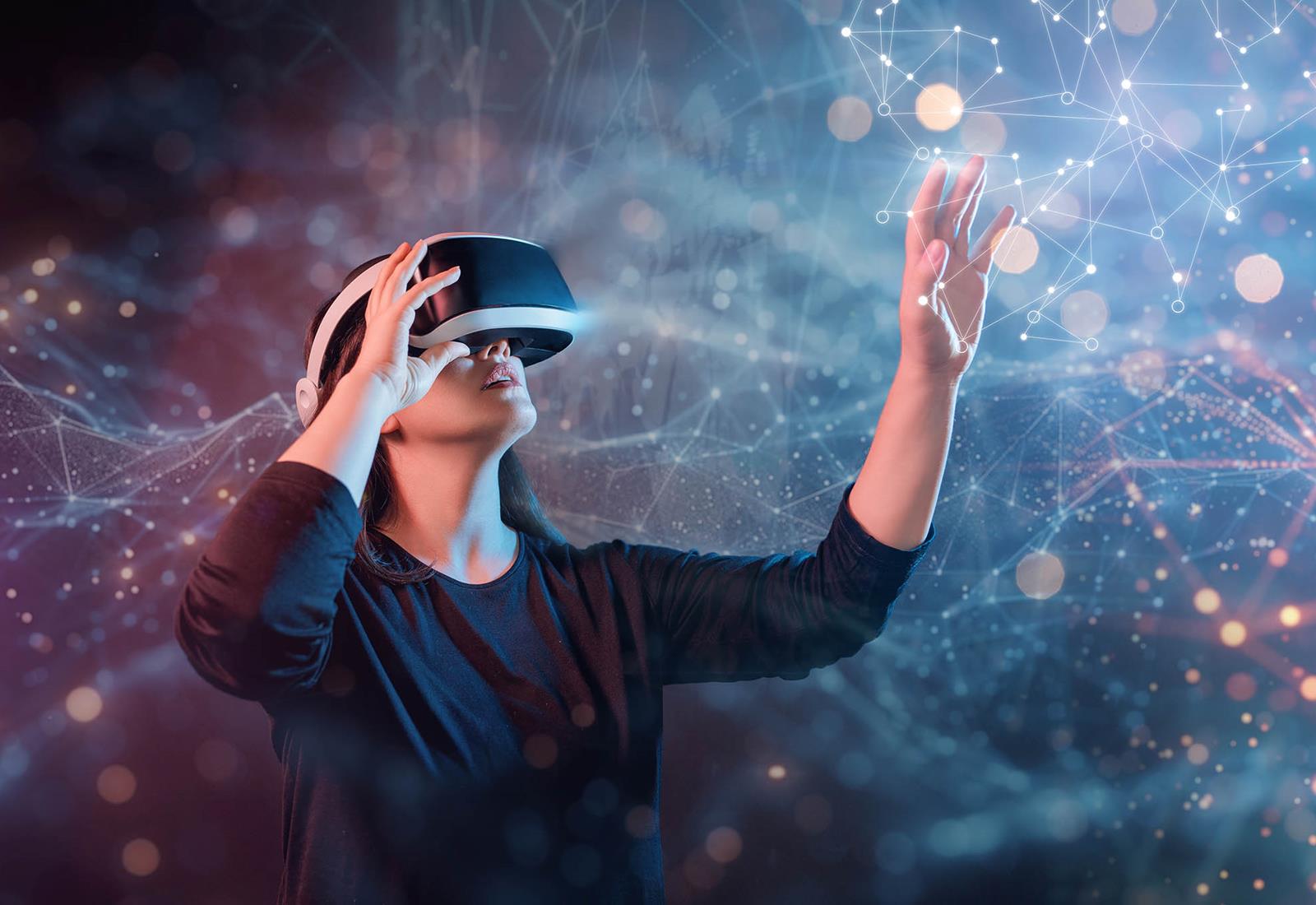
Virtual reality (VR) allows museums to transport visitors to other places, time periods, or even worlds that are impossible to visit physically. Instead of a classic tour, visitors step into digitally generated environments where they can move freely, explore, and interact with exhibits. This approach significantly changes how we experience museums, creating moments that are both educational and unforgettable.
Examples from global practice
One pioneering museum VR experience comes from the Louvre, which launched "Mona Lisa: Beyond the Glass" in 2019. Using a VR headset, visitors can examine the famous painting in detail, discover hidden layers, and even experience an interpretation of Leonardo’s inventions. The seven-minute journey takes visitors through a virtual world where they can “fly” on Leonardo’s flying machine or explore Renaissance sketches from a new perspective. Developed in collaboration with HTC’s Vive Arts team, the project set new standards for how VR can be used in art institutions.
Another fascinating example comes from the Salvador Dalí Museum in Florida. Their experience, "Dreams of Dalí," uses VR to let visitors step into the surreal world of Dalí’s paintings. With VR headsets, visitors literally walk through landscapes from the canvas, follow floating sculptures, and discover details that, in a traditional exhibition, they could only view from a distance. Technically, the project was built in the Unity game engine, with carefully modeled 3D objects and animations that create a convincing, dreamlike atmosphere.
Applications in history and science museums
Virtual reality isn’t limited to art museums. The British Museum, for example, hosted a VR weekend where visitors could explore a reconstructed Bronze Age Britain. Through a virtual walk through a village from 1300 BC, visitors learned about pottery-making, fire-starting, and the everyday life of prehistoric communities. In Croatia, the Homeland War Museum Karlovac offers a VR tank ride through a war zone, allowing visitors to experience part of the historical context firsthand. The Archaeological Museum in Zagreb is developing a VR simulation of Roman Andautonia, enabling users to walk Roman streets while viewing reconstructions of former buildings and roads.
Technical requirements and development
VR projects for museums require serious technical infrastructure. On the hardware side, museums use headsets such as the Oculus Quest 2, HTC Vive Pro, or Valve Index, which provide high resolution and refresh rates (90–120 Hz) so visuals feel smooth and convincing. These devices often come with controllers—or even specialized gloves—that enable interaction with virtual objects. Behind the scenes, there’s either a powerful computer or a standalone chipset rendering 3D graphics in real time.
On the software side, engines like Unity or Unreal Engine are used to build 3D objects, animations, and interactive scenarios. Every project requires careful optimization, because museum visitors span a wide range of ages and levels of technical literacy. A VR experience must be easy to use, quick to launch, and reliable—so it can keep audiences engaged.
Designing an educational narrative
One of the key elements of a successful VR project isn’t just the technology—it’s the story. In a museum context, VR is not just entertainment, but an educational tool. Each simulation needs to be closely tied to the museum collection, giving visitors context and explanations that complement physical exhibits. For example, in a project like "Dreams of Dalí," the artworks aren’t just a backdrop—they become worlds the visitor steps into, exploring surreal landscapes and interactive elements that capture the artist’s spirit.
How does virtual reality bring the past to life?
Virtual reality gives museums the power to extend their physical space into a digital environment, offering experiences that go beyond the limits of a traditional exhibition. Through VR, visitors can travel through time, explore reconstructed worlds, and connect with history, science, or art on a deeply personal level. As the technology becomes more affordable and technically mature, more museums are recognizing the potential of VR as a powerful tool for education, engagement, and long-term audience growth.