How 3D Projection Mapping Brings Legends to Life at Veliki Tabor
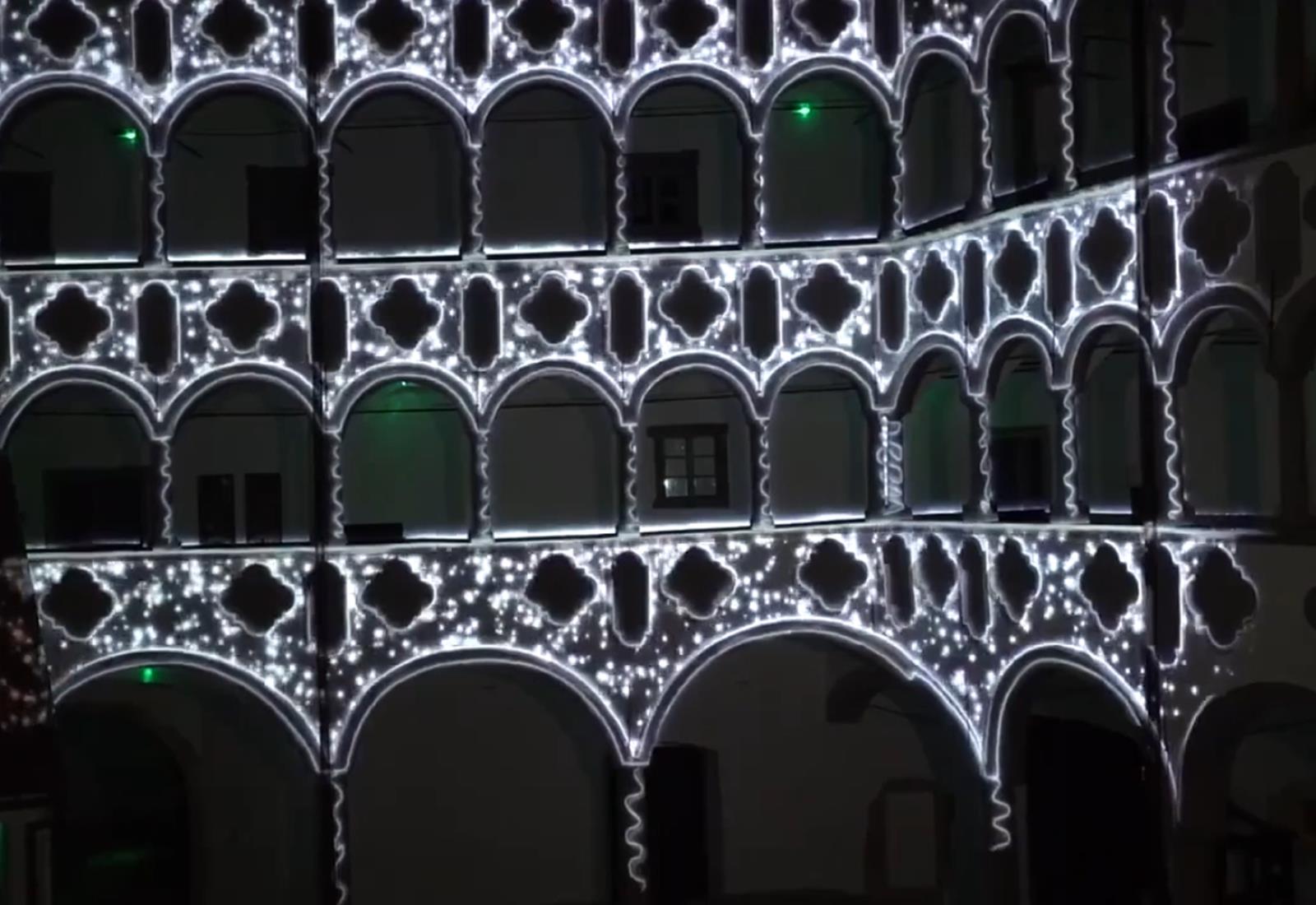
Veliki Tabor Castle in Hrvatsko zagorje is one of Croatia’s most important cultural and historical sites—and recently it has become known for its innovative use of 3D projection mapping. This technological installation transforms centuries-old stone walls and towers into a living canvas for storytelling.
Through carefully crafted animations, visitors can experience the legend of Veronika of Desinić, one of the best-known local stories deeply rooted in the history of Zagorje. Instead of classic interpretive panels or static displays, the castle now uses technology to tell a visually striking story that appears quite literally “on the walls.”
How does the technology work?
The 3D projection mapping system is based on high-brightness projectors strategically positioned within the castle courtyard. The projectors are housed in specially designed enclosures that protect them from the elements, since the projections take place outdoors. The animated content is created specifically for the castle’s architectural features, including columns, arches, windows, and stone façades. Precise calibration is essential: the dimensions, colors, and surface textures are carefully mapped so the projection “locks” perfectly onto the structure. Centralized software controls both projectors, synchronizes playback, and ensures crisp, seamless image quality without overlap or loss of sharpness.
The visitor experience
Visitors to Veliki Tabor get to enjoy a unique blend of history and modern technology. They enter the castle courtyard and are welcomed by a light-and-sound show lasting about 20 minutes. During that time, the walls “come alive”—characters from the story of Veronika of Desinić appear, historical details unfold, and sound cues accompany every movement and transition between scenes. The show isn’t meant to be watched from a single, fixed viewpoint: visitors can move around the space and view the projection from different angles, creating a strong sense of immersion. Children especially enjoy the visual spectacle, while adults appreciate how the technology highlights the site’s historical value. Installations like this attract both domestic visitors and international tourists, boosting the castle’s appeal within the region’s tourism offer.
Technical complexity and sustainability
Beyond its visual impact, this is a technically complex system that requires careful maintenance. The projectors operate outdoors, meaning they are exposed to moisture, dust, and temperature changes. Protective enclosures safeguard the equipment, while the software regularly monitors system performance, alignment, and image quality. The setup is also designed to support updates and upgrades—new stories can be introduced, elements added, or content adapted in the future without replacing the underlying infrastructure. This ensures the project’s long-term sustainability and economic viability.
How do walls tell legends with light?
With this project, Veliki Tabor shows how cultural institutions can use contemporary technology to make historical stories relevant and engaging for new generations. Rather than being perceived as a static remnant of the past, heritage can become living, dynamic, and multimedia. Installations like this don’t just increase attractiveness and visitor numbers—they also support the long-term sustainability of cultural sites in a world where audiences increasingly seek interactive, emotional, and visually captivating experiences.